
Our Products
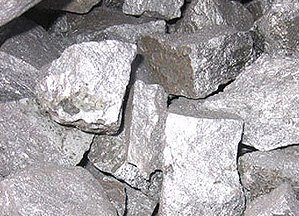
Silico Manganese
Silicon Manganese is an alloy of manganese, silicon and iron. It is a cost- effective blend of manganese and silicon and is normally the product of choice for steel manufacturers. It is consumed in all steel products and used in higher quantities in 200 series stainless steel, alloy steel and manganese steel.
Configuration: Low carbon, low boron, low Ti, Low P, High mn
Key Features:
- Precise content of manganese & silicon
- Sturdiness
- High strength
- Excellent chemical properties
- Deoxidizer
- Purity
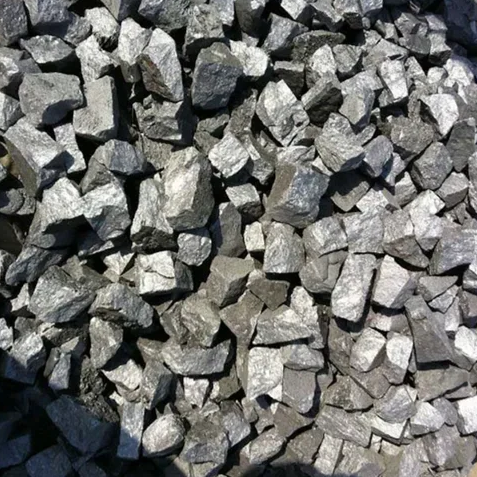
High Carbon Ferro Manganese
High-carbon ferromanganese (HCFeMn) is one of the most widely used ferroalloy in the world. High-carbon ferromanganese (HC FeMn) is a manganese alloy, smelted directly from manganese ores. Its manganese content ranges from 70-80 wt% and its carbon content from 6-7 wt%.
Configuration: Low P, Low Ti.
Key Features:
- Impeccable chemical composition
- Free from impurities
- Corrosion proof
- Fine anti-oxidant characteristics
- Low melting point
- Sturdiness

LC Ferro Manganese
Ferro alloys, like ferro manganese are developed to improved properties of steel and alloys. Ferro Manganese (FeMn) lumps are used in steel industry, while the FeMn powder finds use in welding industry. It is widely used in steel manufacturing. FeMn can counteract the negative effects of sulfur. It acts as a deoxidizer and can be added with sulfur to improve the product’s hot-working properties. It can also impart following metallurgical properties:
Configuration: Low P, Low Ti.
Key Features:
- Strength
- Hardness
- Toughness

HC Ferro Chrome
The silicon content in conventional high carbon ferrochrome is normally below 2%, whereas the thermodynamic equilibrium allows charge chrome larger flexibility in terms of silicon content, which can vary between 2% and 5%.
Configuration: Low P, Low Ti.
Key Features:
- Provides for wide usage in foundry and steel industry applications
- Made available with optimum chemical and physical properties
- Finding usage during steel production for correcting chrome percentage
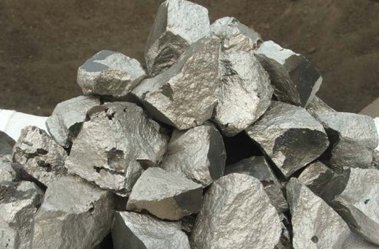
LC Ferro Chrome
Ferro Chrome is an alloy of chromium & iron containing 50 – 70% chromium by weight. Addition of chromium improves the strength and yield point of steel and reduces elongation insignificantly. The presence of Chromium in carbon steels improves their hardness and wear resistance.
Configuration: Low P, Low Ti.
Key Features:
- Impeccable chemical composition
- Free from impurities
- Corrosion proof
- Fine anti-oxidant characteristics
- Low melting point
- Sturdiness
Ferro Molly
Ferromolybdenum is an alloy formed by combining iron and molybdenum. It is an extremely versatile alloy used primarily in high-strength low alloys and stainless steels. It has numerous beneficial properties and can be used even in cast irons, some high-speed tool steels, and superalloy applications
Application:
Used in steel melting for making alloy steel suitable for mining & refinery, military hardware, rotary drills & load bearing parts. FeMo is also used in stainless, heat-resisting steel & tool steel.
Size:
03 – 20mm, 10 – 50mm, 10 – 100mm
Color:
Silver Gray/Gray
Melting point: 1900°C
Ferro Vanadium
Ferrovanadium (FeV) is an alloy formed by combining iron and vanadium with a vanadium content range of 35–85%. The production of this alloy results in a grayish silver crystalline solid that can be crushed into a powder called “ferrovanadium dust”.[2] Ferrovanadium is a universal hardener, strengthener and anti-corrosive additive for steels like high-strength low-alloy steel, tool steels, as well as other ferrous-based products.
Size : 10-100 mm or as required
Melting Point : 1900oC
Application
The most important use of vanadium is as an additive for steel. It is used for the production of rust resistant, spring and high speed tool steels. It is also added to steels to stabilize carbides. Vanadium foil is also used to bond titanium to steel. Due to its low fission neutron cross section vanadium is also used in nuclear applications. The Ferro Vanadium is used as an alloying agent for the metals iron & steel and also aero.
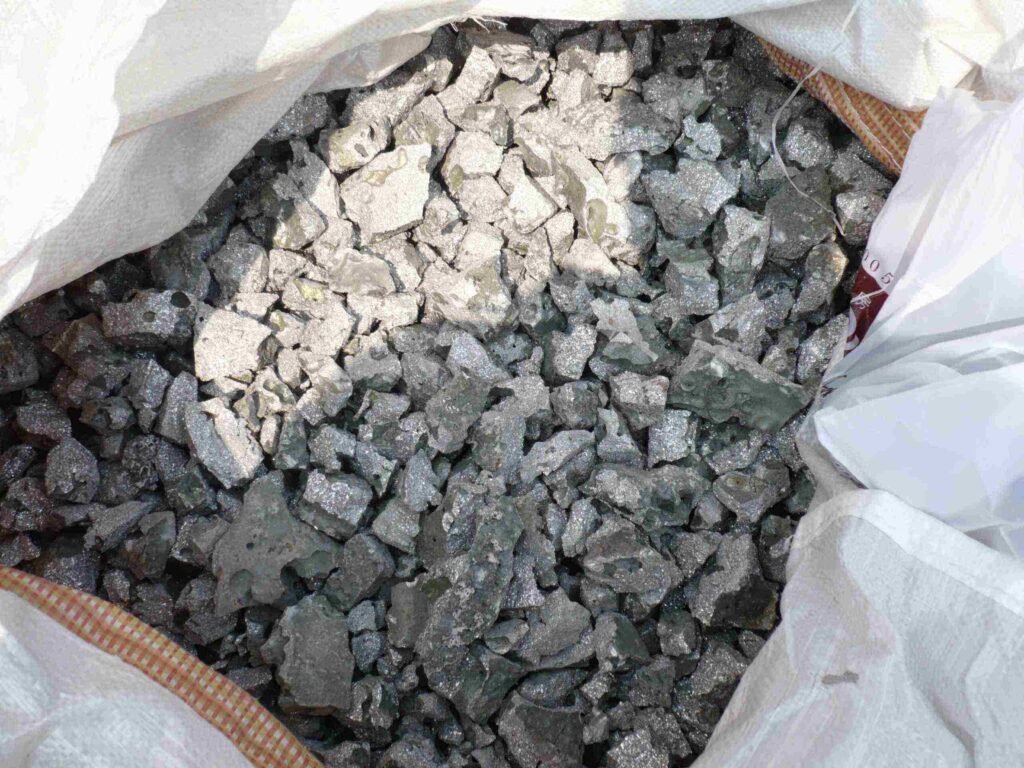
MLC Silico Manganese
Silicon Manganese is an alloy of manganese, silicon and iron. It is a cost- effective blend of manganese and silicon and is normally the product of choice for steel manufacturers. It is consumed in all steel products and used in higher quantities in 200 series stainless steel, alloy steel and manganese steel.
Configuration: Low carbon, low boron, low Ti, Low P, High mn
Key Features:
- Precise content of manganese & silicon
- Sturdiness
- High strength
- Excellent chemical properties
- Deoxidizer
- Purity
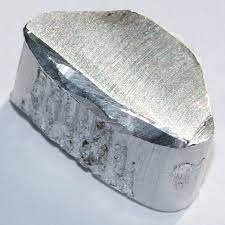
Ferro Aluminium
Ferro Aluminium is the amalgamation of iron and aluminium melted and mixed together. Ferro Aluminium is a combination of iron and that is melted and mixed together. Our range is used as de-oxidant in steelmaking, wherein the concentration of aluminum can vary to cater varied requirements of our clients.
Application:
Ferro Aluminium help in the manufacturing of steels for the deoxidization process.
With the help of Ferro Aluminium, there is a possibility to manufacture low melting point alloys.
Ferro Aluminium capability to carry out aluminothermic welding.
We offer premium quality of Ferro aluminium alloy which is suitable for every possible purpose. We work as one of the best Ferro aluminium suppliers in India to provide our services while maintaining the satisfaction of our clients.
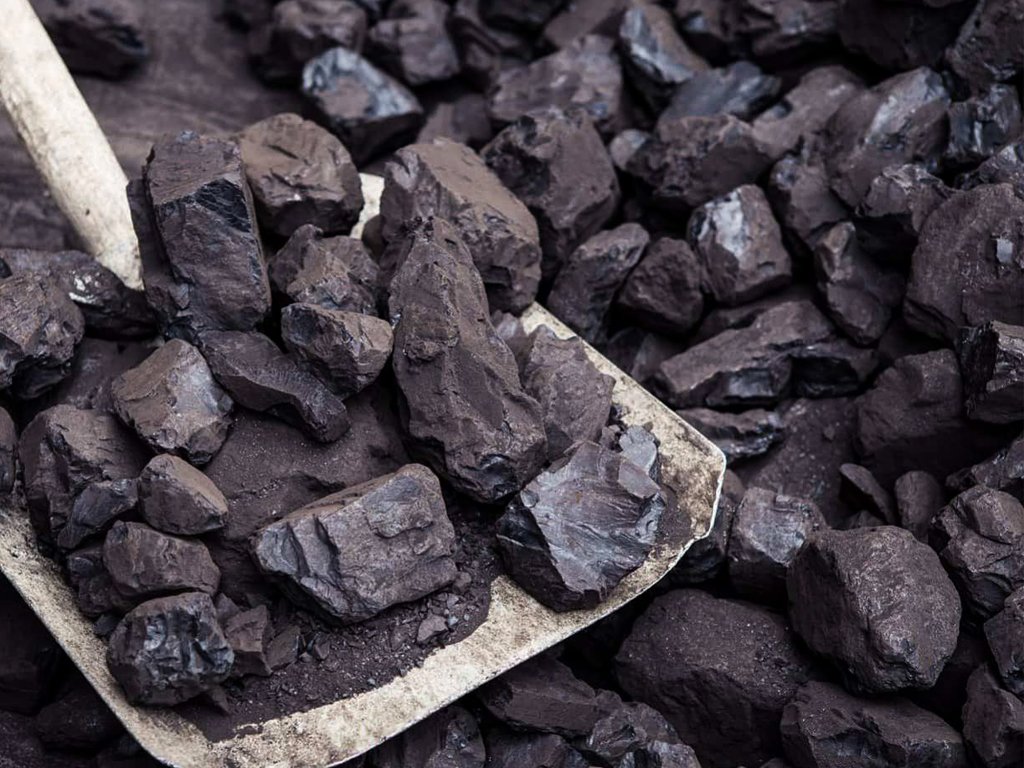
Coke Products
Coke is made by destructive distillation of a blend of selected Bituminous coals (called Coking coal or Metallurgical coal) in special high temperature ovens in the absence of oxygen until a large part of the volatile matter is driven off. The resulting product, COKE, consists principally of Carbon.
Traditionally, chemistry, size & strength (both cold as well as hot) have been considered the most important properties for use in the blast furnace. The quality of the constituent coals determines the characteristics of the resultant coke.
Application:
Coke is primarily used to smelt iron ore and other Iron bearing materials in blast furnaces, acting both as a source of heat and as a chemical reducing agent to produce pig iron or hot metal. Coke also serves as a structural material to support the deep bed of coke/iron oxide/limestone that makes up much of the furnace volume. It is in this last role that its properties are crucial. It is important that it does not degrade (e.g. break up into small particles) during its descent through the oxidizing hot gases passing through the stock region of the furnace.
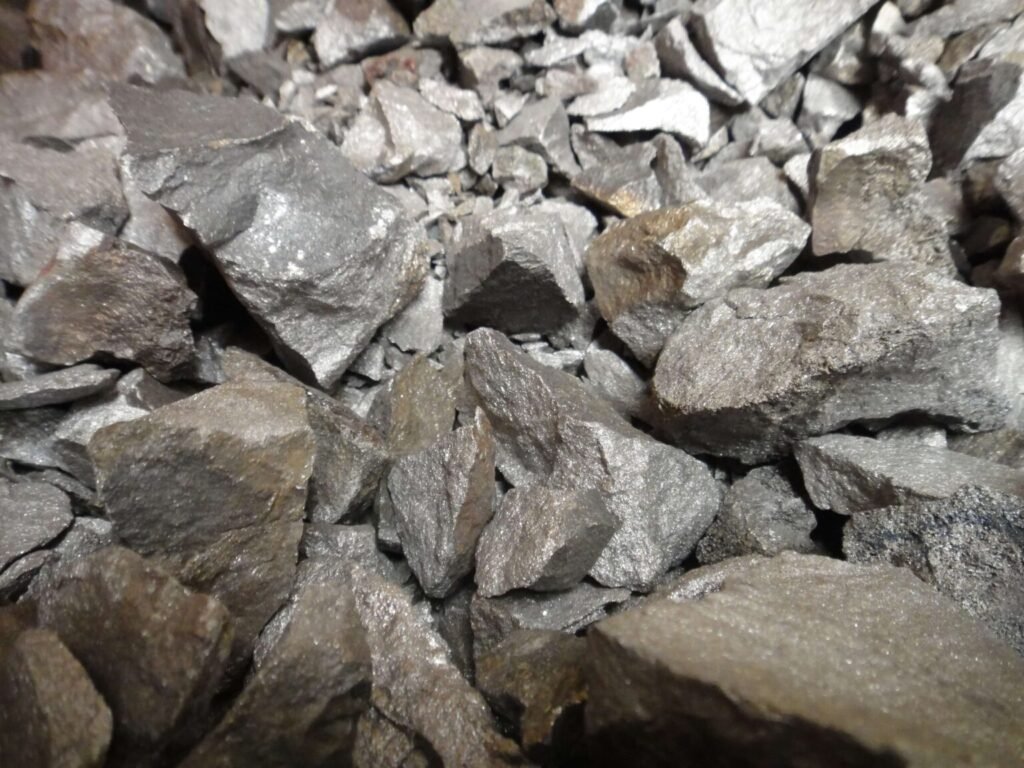
Ferro Silicon
Ferro silicon is a ferroalloy an alloy of iron and silicon with between 15% & 90% silicon. Ferro Silicon is used as a source of silicon to dioxidize steel and other ferrous alloys.
FeSi is a highly power consuming product. FeSi needs almost 3 times power/electricity compared to SiMn&FeMn. As a result, the cost of electricity is the main proportion of the cost of FeSi (almost 65% of the total cost of production). A typical 9MVA furnace producing 16,500MT of SiMn&FeMn per year will produce only 7,200MT of Ferro Silicon. Therefore, even though we are strongest in the production of FeSi, it comprises of only 15% of our total production. The main grades produced by us are:
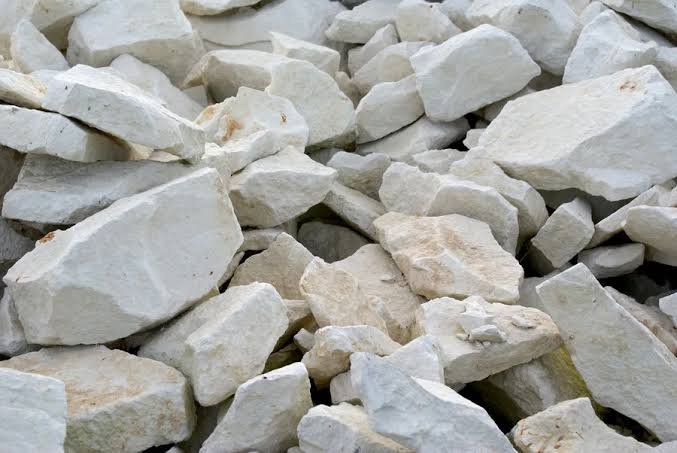
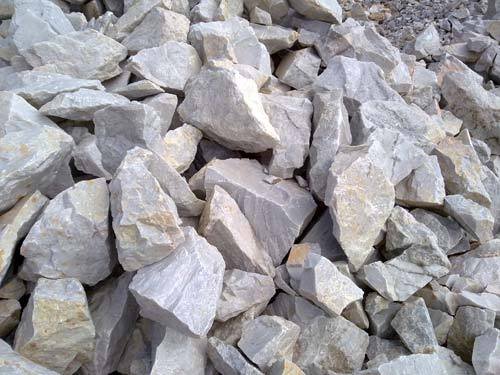
Limestone
Limestone (CaCO₃) is an important fluxing material used in ironmaking and steelmaking. When heated, it decomposes into calcium oxide (CaO), commonly known as quicklime, and carbon dioxide (CO₂). The resulting CaO combines with acidic oxides and impurities to form slag, which helps produce cleaner, higher-quality steel.
Application:
- Slag Formation: Limestone provides CaO, which reacts with silica (SiO₂), phosphorus oxides and other impurities to form slag.
- Phosphorus Removal: Basic slag promotes the removal of phosphorus from molten iron and steel, particularly in the Basic Oxygen Furnace (BOF).
- Sulphur Control: Under suitable slag chemistry and process conditions, lime helps reduce sulphur content in hot metal and steel.
- Blast Furnace Operation: Limestone acts as a flux, helping combine gangue materials from iron ore and ash from coke to form slag, which separates from hot metal.
Basic Oxygen Furnace (BOF): Lime, produced by calcining limestone, is added to establish the required slag basicity and support impurity removal.
Electric Arc Furnace (EAF): Lime is used to form basic slag, protect refractory linings and support the removal of phosphorus and other impurities.
Steel Quality Improvement: Proper flux addition helps control slag composition, reduce impurities and improve the consistency of the final steel product.
Dolomite
Dolomite (CaMg(CO₃)₂) is an important fluxing and refractory raw material used in ironmaking and steelmaking. When heated, it decomposes into calcium oxide (CaO), magnesium oxide (MgO) and carbon dioxide (CO₂). The CaO helps remove impurities through slag formation, while MgO contributes to slag conditioning and protects basic refractory linings against chemical attack.
Applications
- 1. Slag Formation: Dolomite supplies CaO and MgO, which help control slag composition, basicity and fluidity, supporting efficient impurity removal.
- 2. Refractory Protection: MgO from dolomite helps maintain MgO saturation in slag under suitable operating conditions, reducing the dissolution and wear of magnesia-based refractory linings.
- 3. Blast Furnace Operation: Dolomite is used as a flux to adjust slag chemistry and introduce MgO, helping control slag properties and improve furnace operation.
- 4. Basic Oxygen Furnace (BOF): Calcined dolomite or dolomitic lime is added to support slag formation, phosphorus removal and protection of the converter’s refractory lining.
- 5. Electric Arc Furnace (EAF): Dolomitic lime helps develop basic slag, control MgO levels and reduce the chemical wear of furnace refractories.
- 6. Slag Basicity and Fluidity Control: The CaO and MgO supplied by dolomite help regulate slag composition. Appropriate levels support impurity removal, slag stability and process efficiency.
- 7. Refractory Manufacturing: Dolomite is an important raw material for producing doloma bricks and other basic refractory products used in steelmaking furnaces, converters and ladles.